Velocity Vouchers Drive Rapid Shifts Between Slots and Live Sports Betting
 Operators across Britain have introduced velocity vouchers as a distinct category of speed-based rewards that activate when players move quickly between slot games and live sports betting markets. These incentives measure transition times in seconds and grant bonus credits or enhanced odds once thresholds are met. Data collected by several major platforms in early 2026 shows average transition windows shrinking from 45 seconds to under 20 seconds on sites that deploy the feature. The mechanics rely on real-time tracking software that logs each game exit and new selection. When a player completes a slot spin and loads a live football or tennis market within the defined window, the voucher triggers automatically. Multiple operators reported that voucher redemptions rose 28 percent between January and June 2026, according to internal metrics shared with industry analysts. The system resets after each completed cycle, allowing repeated activations during a single session.
Technical Requirements and Platform Integration
Implementation demands tight integration between slot engines and sports betting servers so latency stays below 300 milliseconds. Developers use timestamp synchronization to confirm that the interval between the last reel stop and the first live odds selection falls inside the qualifying period. Platforms that adopted this architecture by mid-2026 recorded a measurable increase in cross-product engagement, with users completing an average of 3.4 additional transitions per hour compared with non-voucher sessions.
One case involved a mid-sized operator that linked its voucher engine to existing loyalty databases, allowing accumulated speed points to convert into tier upgrades. Figures released in June 2026 indicated that 17 percent of active accounts earned at least one voucher every seven days after the feature launched. The same report noted that voucher values typically range from £2 to £15, scaled according to transition speed and stake size.
Player Behavior Patterns Observed in 2026
Researchers tracking session data found that velocity vouchers encourage shorter dwell times on individual products yet extend overall session length. Players who qualify for vouchers tend to alternate between slots and sports markets in sequences lasting eight to twelve minutes before pausing. This pattern differs from earlier models where users remained in one vertical for longer stretches. External analysis from the European Gaming and Betting Association highlights similar behavioral shifts in markets that introduced speed-linked rewards.
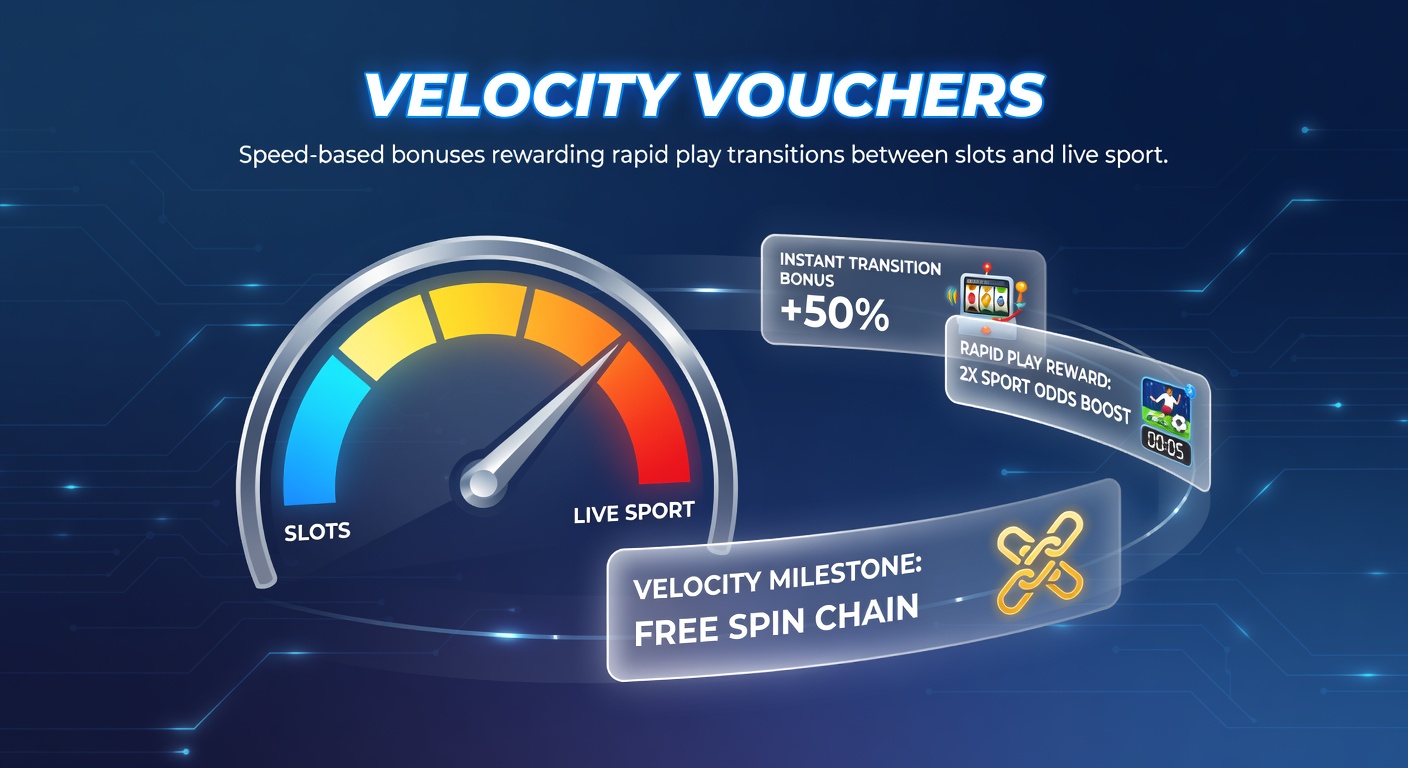
Operators have adjusted marketing messages to emphasize the time-sensitive nature of the rewards. Push notifications now include countdown timers that start the moment a player exits a slot game. In June 2026, one network reported that 41 percent of voucher notifications were opened within the first 15 seconds, leading to higher immediate transition rates. The timing of these alerts aligns with peak evening hours when live sports markets see the highest liquidity.
Regulatory Context and Compliance Measures
British operators must ensure that velocity voucher systems comply with existing advertising standards and responsible gambling protocols. Age verification checks occur before any voucher can be claimed, and spending limits tied to player accounts remain active regardless of speed bonuses. Industry guidelines require clear disclosure of the transition window and maximum voucher value on the game interface itself. Platforms that updated their interfaces by April 2026 reported fewer player queries about eligibility rules.
Academic studies examining reward timing, including work published by researchers at the University of Sydney, note that speed-based incentives can influence decision-making intervals. British operators reference such findings when calibrating their own voucher parameters to maintain alignment with broader responsible gaming frameworks.
Future Developments and Industry Adoption
By June 2026 several software providers had begun offering modular velocity voucher tools that smaller operators could integrate without building custom code. Early adopters of these modules reported deployment times of under three weeks. The same tools include optional filters that pause voucher eligibility during extended losing streaks, a feature added after consultation with player protection teams.
Cross-border comparisons show that similar speed-linked rewards have appeared in select Australian and Canadian markets, though the British implementations remain distinguished by their focus on slots-to-sports transitions rather than within-product speed metrics. Trade reports indicate that the number of British platforms listing velocity vouchers rose from 12 in January 2026 to 37 by the end of June.
Conclusion
Velocity vouchers represent a measurable evolution in how British operators structure rewards around player movement between slots and live sports betting. The systems rely on precise timing data, integrate with existing loyalty structures, and operate within established regulatory boundaries. Continued monitoring through 2026 will reveal whether the observed increases in transition frequency translate into sustained changes in session composition across the wider market.