Seasonal Shifts: How UK Platforms Adjust Incentive Structures Around Holidays and Major Sporting Calendars
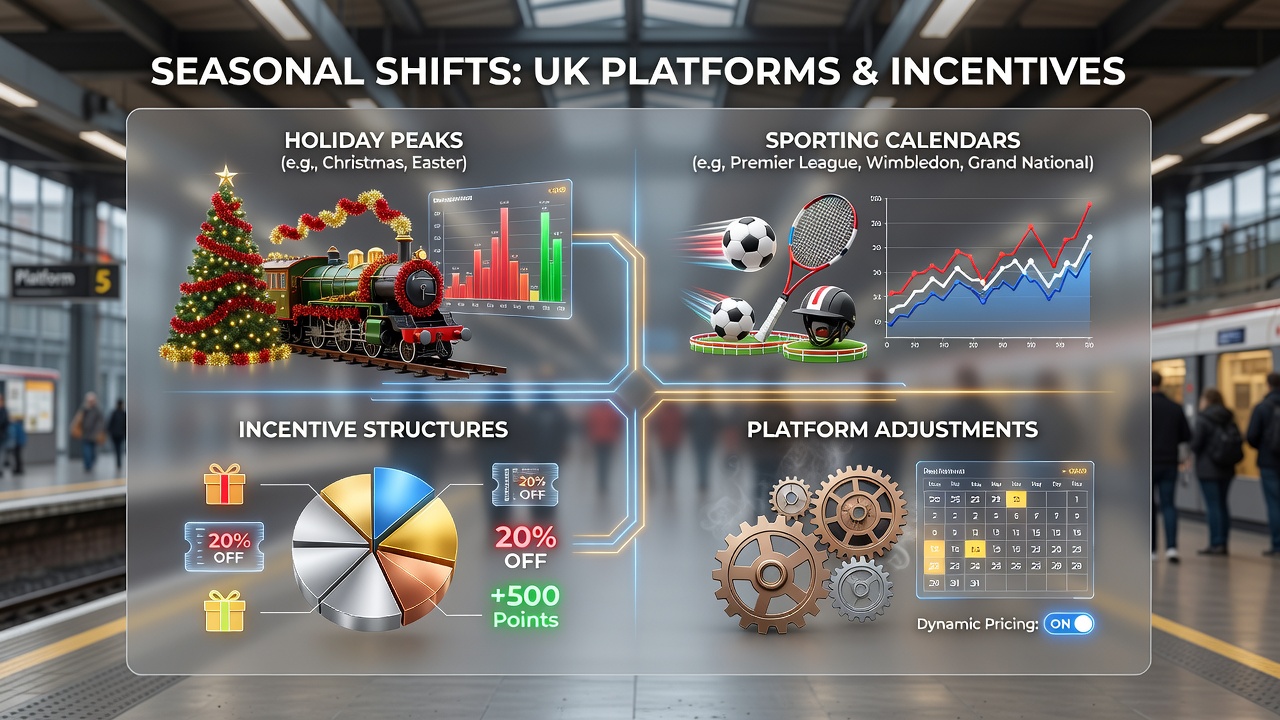
UK platforms modify their incentive structures throughout the year as holidays approach and major sporting calendars unfold, with operators tracking player engagement patterns to time deposit matches, free spins, and cashback offers accordingly. Data from industry reports shows these adjustments align with predictable spikes in activity during festive periods such as Christmas and Easter while also responding to events like the Premier League season and tennis grand slams. Observers note that such timing helps platforms maintain consistent user participation across different months, and platforms often release targeted promotions that reflect the specific demands of each season.
Holiday-Driven Incentive Changes
Christmas and New Year periods bring increased deposit multipliers and extended cashback cycles on many UK sites, where operators extend bonus validity windows to accommodate travel schedules and family commitments. Research indicates that activity levels rise notably in December, prompting platforms to introduce streak-based rewards that accumulate over multiple days rather than single sessions. Easter sees similar patterns emerge, although the focus shifts toward shorter promotional bursts tied to bank holiday weekends, and platforms frequently bundle these with game-specific free spins on slots or table games that see heightened play during those breaks.
Platforms coordinate these changes by analyzing historical transaction data, which reveals clear upticks in both volume and frequency around public holidays. Those who've studied operator behavior observe that loyalty programs often accelerate point accumulation during these windows, allowing users to unlock tiered benefits more rapidly than in standard months. This approach connects directly to broader calendar planning, where summer holidays prompt a pivot toward outdoor event tie-ins even as indoor gaming remains central to the offerings.
Sporting Calendar Adjustments adn Timing Strategies
Major sporting events drive distinct incentive structures, with platforms introducing goal-linked multipliers during football seasons and performance-based rewards around tennis or cricket tournaments. The Premier League schedule influences weekly promotions that reset alongside matchdays, while Wimbledon prompts temporary shifts toward live betting features paired with deposit bonuses that activate upon qualification for certain wager thresholds. Data shows these adjustments extend into international competitions, where operators prepare layered offers that build across group stages and knockout rounds.
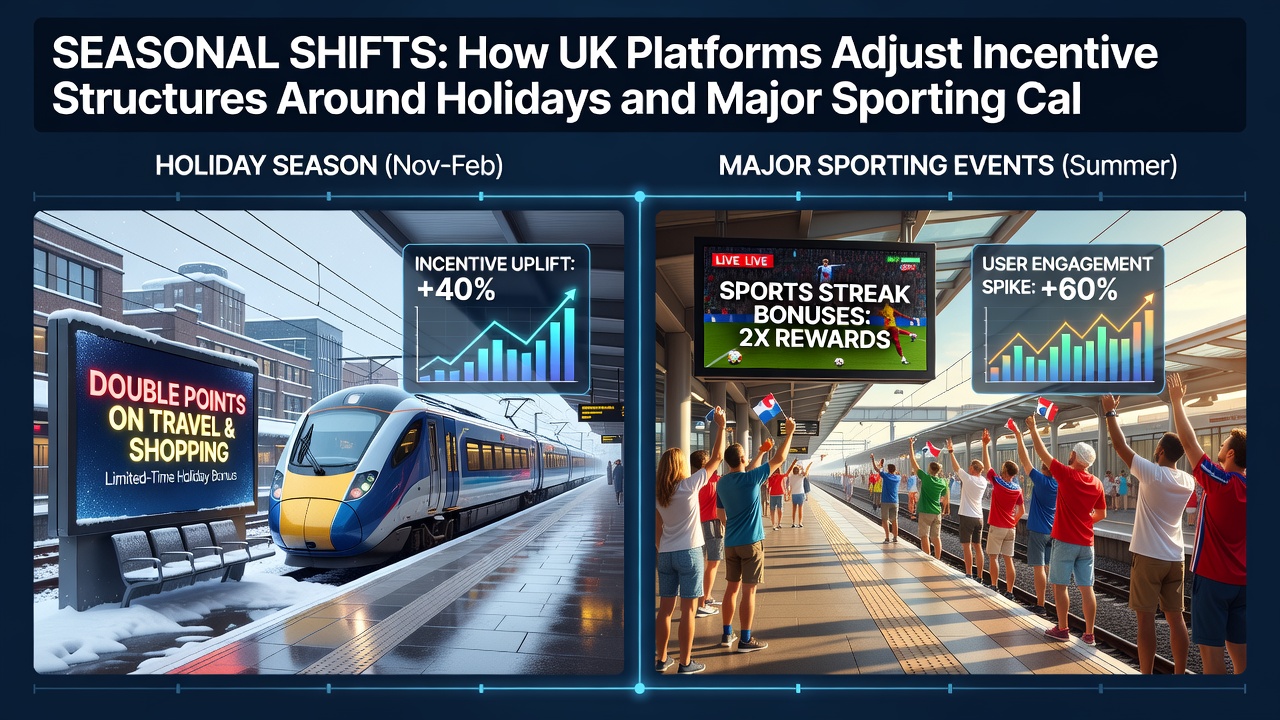
June 2026 stands out in forward planning as platforms begin aligning incentives with anticipated global events that fall during that month, incorporating early access previews and accumulator-style bonuses that carry through the summer window. According to figures from the European Gaming and Betting Association, European markets including the UK demonstrate measurable engagement growth during overlapping holiday and sports periods, which encourages platforms to stagger releases so that one promotion type transitions smoothly into the next. This sequencing prevents overlap fatigue and keeps structures fresh across user segments.
Data Patterns and Platform Responses
Studies from academic sources such as those published through international gambling research networks highlight how platforms use predictive analytics to forecast demand spikes, allowing for precise calibration of bonus caps and eligibility criteria. Observers note that these tools help distinguish between short-term holiday surges and sustained sporting calendar effects, leading to differentiated offer durations that match the expected lifespan of each event cluster. Platforms therefore avoid uniform application of incentives, instead tailoring multipliers and return percentages to reflect the unique rhythms of each period.
Regional variations appear within the UK as well, where northern and southern operators sometimes emphasize different sports or holiday emphases based on local participation data. This granularity ensures that incentive structures remain relevant without requiring users to navigate overly complex terms. Evidence suggests that consistent application of these seasonal shifts contributes to steadier platform retention metrics year-round.
Conclusion
UK platforms continue refining incentive structures by aligning them closely with both holiday rhythms and sporting calendars, drawing on transaction histories and engagement metrics to time offers effectively. These adjustments create a responsive environment where promotions evolve alongside external events, maintaining relevance across diverse user preferences and seasonal contexts. The patterns observed through 2026 planning indicate that such calibration will remain central to operational strategies as calendars advance.