Predictive Patterns: Unveiling How Machine Learning Customizes Gambling Promotions for British Users
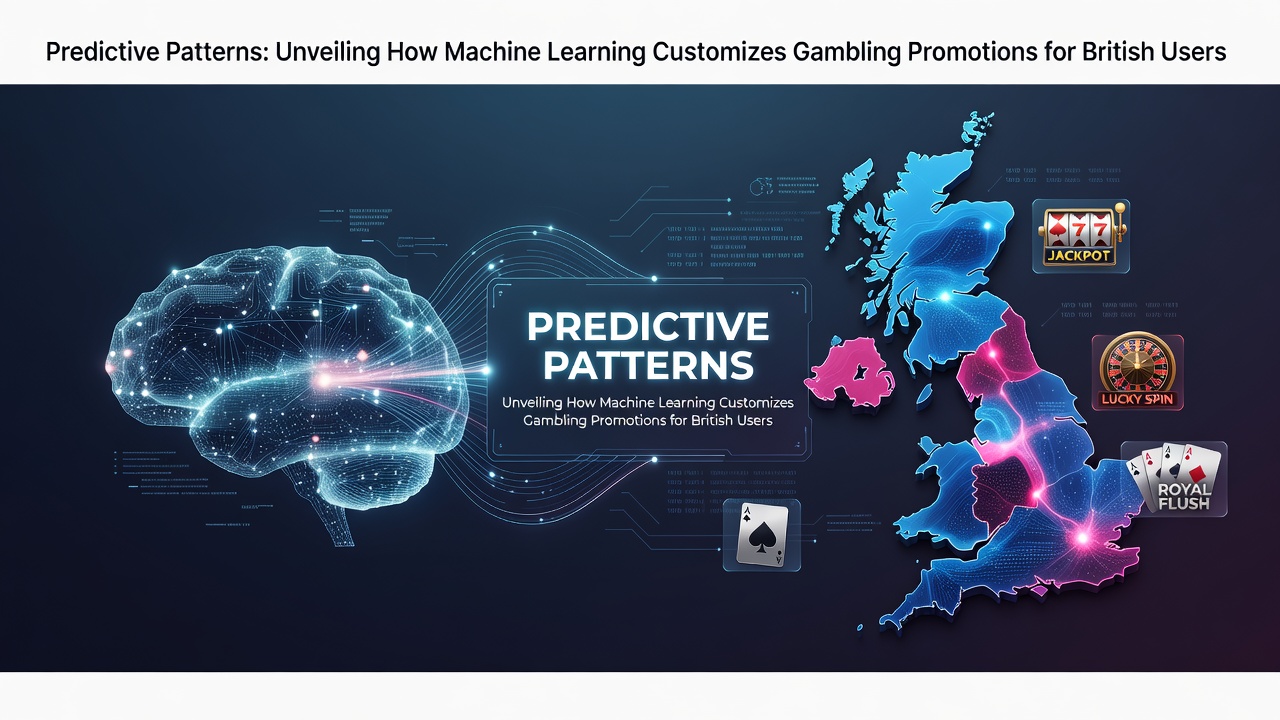
Operators in the British gambling sector rely on machine learning systems that process extensive datasets to forecast individual preferences and adjust promotional offers accordingly; these systems examine betting histories, session durations, game selections, and deposit patterns to generate targeted incentives that align with observed behaviors. Researchers have documented how such predictive models operate across multiple platforms where algorithms identify clusters of users who respond to specific reward structures, allowing operators to deliver promotions that reflect those clusters rather than generic offers distributed uniformly.
Data Inputs Driving Predictive Models
Systems collect information from user interactions that include time spent on particular slot titles, frequency of sports wagers placed during live events, and responses to previous bonus activations; these inputs feed into supervised learning frameworks trained on historical outcomes where models learn which combinations of variables correlate with higher engagement rates. Observers note that feature engineering steps often incorporate derived metrics such as average stake size relative to account balance and the interval between consecutive deposits, which sharpen the accuracy of forecasts about when a user might next interact with a platform.
Algorithmic Techniques in Operation
Gradient boosting machines and neural network architectures process these variables to produce probability scores for each user regarding likely acceptance of a given promotion type; collaborative filtering methods compare one user's profile against similar profiles to recommend offers that succeeded for comparable accounts. Reinforcement learning components further refine outputs by treating each delivered promotion as an action whose result updates the model in subsequent cycles, creating feedback loops that adjust recommendations based on real-time acceptance data.
According to findings from a study published in the Journal of Artificial Intelligence Research, such iterative processes reduce the variance between predicted and actual user responses by incorporating temporal features that capture seasonal shifts in activity levels.
Implementation Across British Platforms
Operators deploy these models through backend infrastructures that trigger promotions at moments when algorithms predict elevated receptivity, such as after a sequence of losses or following extended periods of inactivity; the resulting offers might include tailored free spin allocations for users whose data shows preference for high-volatility slots or matched deposit percentages calibrated to past transaction volumes. Data from industry reports indicates that segmentation occurs at granular levels where micro-clusters receive distinct promotional streams rather than broad categories applied across entire user bases.
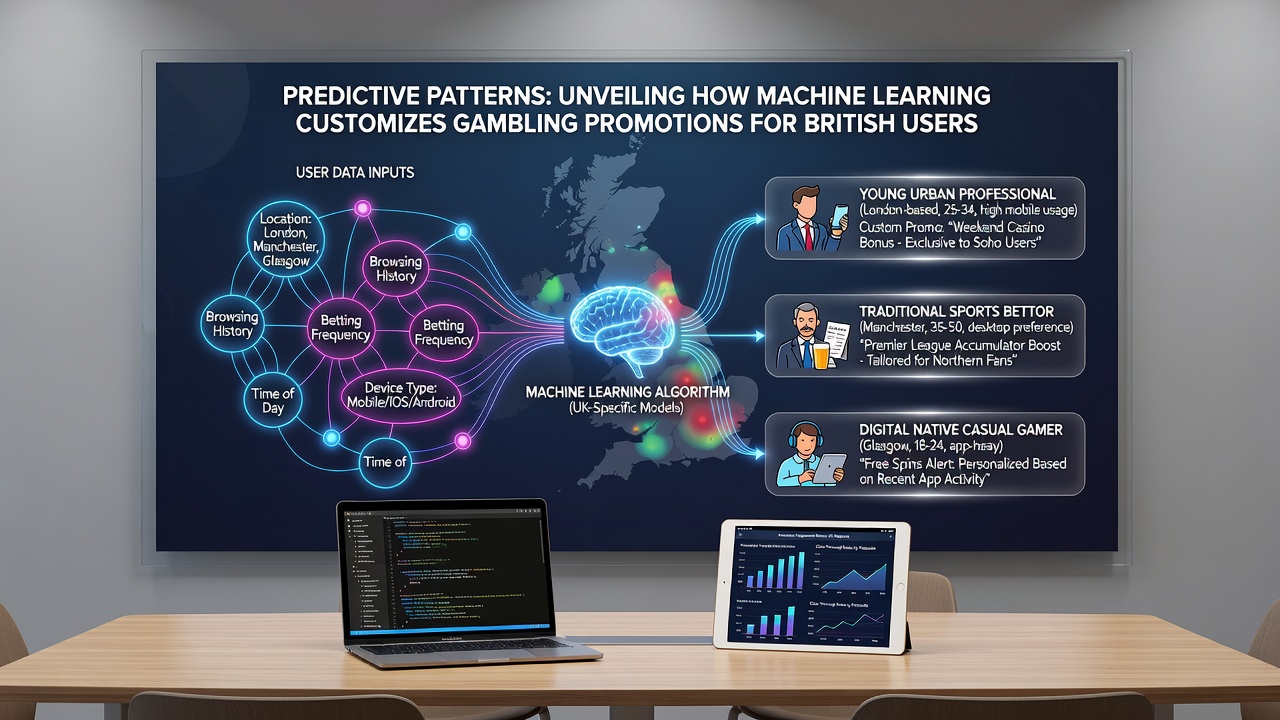
Integration with real-time streaming analytics allows adjustments within single sessions where models re-evaluate user state after each bet and modify upcoming incentives accordingly; this dynamic approach relies on edge computing resources that minimize latency between data ingestion and offer generation.
Regulatory Context and Technical Constraints
British frameworks require operators to maintain transparency around automated decision-making processes that affect promotional eligibility, prompting development of explainable AI modules that generate human-readable justifications for why particular users receive specific offers. External oversight bodies in other regions, including the Australian Communications and Media Authority, have examined similar systems for compliance with fairness standards that parallel those applied in the UK market.
Technical teams address privacy constraints through federated learning setups where models train on decentralized data without transferring raw user records to central servers, preserving compliance while retaining predictive power. A report issued by the Canadian Institute for Advanced Research highlights how these distributed methods maintain accuracy levels within acceptable thresholds for personalization tasks.
Developments Anticipated by June 2026
By June 2026, integration of multimodal data sources that combine transaction logs with device sensor information is expected to expand model inputs, enabling finer predictions about user context such as location-based preferences during travel periods; this evolution builds on existing pattern recognition capabilities rather than introducing entirely new paradigms. Industry analyses project continued refinement of anomaly detection layers that flag unusual activity patterns before promotions are issued, supporting responsible gambling protocols embedded within the same predictive pipelines.
Conclusion
Machine learning systems continue to shape how British operators structure promotional activities through predictive analysis of user data streams, with algorithmic outputs determining the timing, type, and scale of incentives delivered to individual accounts. These processes rely on established techniques in supervised and reinforcement learning that process behavioral signals to generate targeted offers, while regulatory requirements influence the implementation of explainability features and privacy-preserving training methods. Projections for mid-2026 point toward expanded data modalities and tighter integration with responsible gambling safeguards within the same frameworks.