Machine Learning Algorithms Reshaping Incentive Distribution Patterns Across British Digital Wagering Platforms
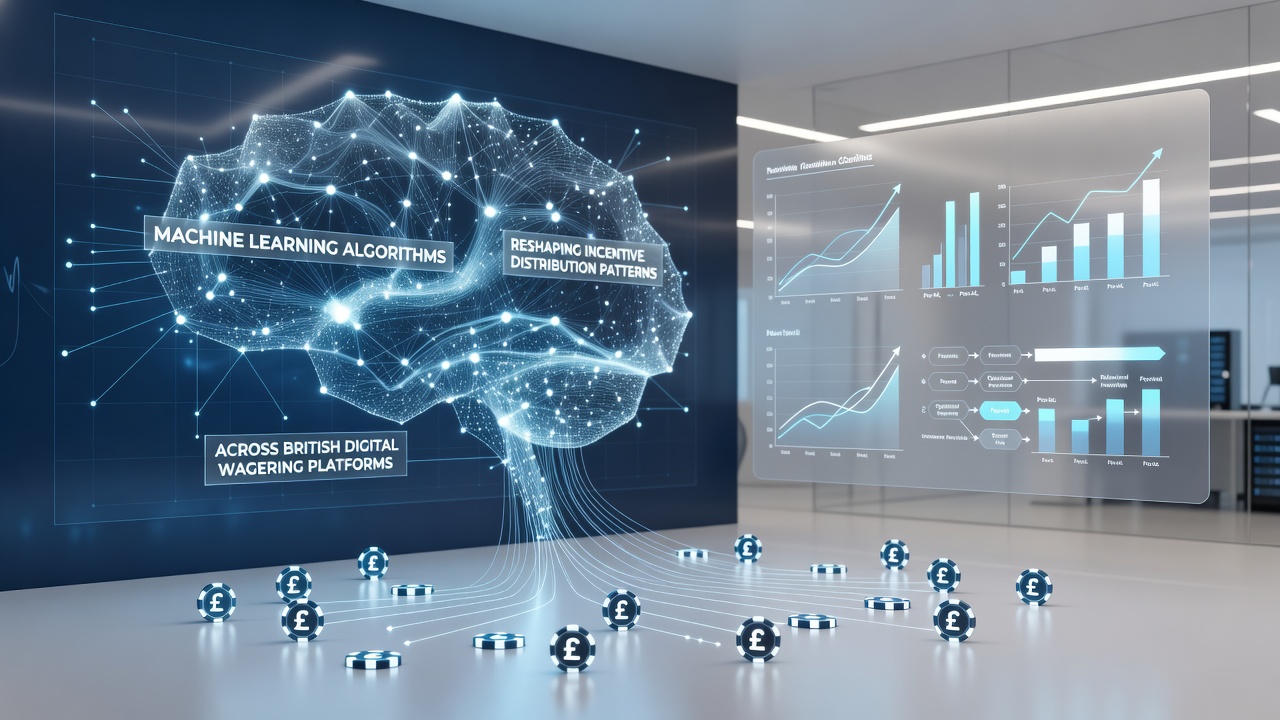
British digital wagering platforms have integrated machine learning algorithms into their core operations over the past several years, which allows these systems to analyze vast datasets of player behavior and adjust incentive structures in real time. These algorithms process information including deposit frequencies, game preferences, session durations, and response rates to previous promotions, which creates distribution patterns that differ markedly from the static offers common in earlier decades. Researchers at institutions such as the University of Sydney have documented how such models identify clusters of users likely to engage with specific reward types, while operators apply these insights to allocate cashback percentages or deposit matches with greater precision.
Predictive Models Driving Offer Customization
Supervised learning techniques form the backbone of many current systems, where historical transaction records train models to forecast which incentives will prompt continued activity without exceeding operator budgets. Decision trees and neural networks evaluate variables like time of day for logins or preferred bet types, which then trigger tailored notifications for individual accounts. Unsupervised methods complement this work by uncovering hidden segments among players, such as those who favor live dealer tables versus slot machines, so that platforms can route rewards accordingly rather than applying blanket campaigns.
Real-Time Adjustments and Efficiency Gains
Reinforcement learning components enable platforms to refine distributions continuously based on immediate feedback loops, where an algorithm tests small variations in bonus value or eligibility criteria and scales successful variants across similar user groups. This approach reduces instances of underutilized promotions because the system withholds offers from accounts showing low predicted uptake while increasing visibility for those demonstrating higher engagement potential. Data from industry reports published by the European Gaming and Betting Association indicates measurable shifts in how rewards reach active participants, with allocation moving away from broad eligibility toward segmented delivery.

By June 2026 these capabilities had expanded further as operators incorporated additional data streams from mobile sensors and third-party analytics providers, which refined predictions around seasonal events like major football tournaments or horse racing festivals. Algorithms now account for external factors such as weather impacts on attendance at physical venues or macroeconomic indicators affecting disposable income, allowing incentive patterns to adapt before user behavior changes become apparent through traditional metrics.
Integration with Compliance Frameworks
Regulatory environments outside the United Kingdom have influenced British platform strategies, with models cross-referenced against guidelines from bodies like the Malta Gaming Authority to ensure incentive distributions remain within acceptable risk parameters. Machine learning also assists in identifying anomalous patterns that could signal problem gambling indicators, which prompts operators to adjust or pause certain reward deliveries automatically. Academic papers from the University of Toronto highlight how these dual-purpose systems balance commercial objectives with player protection requirements through layered classification methods.
Observed Shifts in Player Engagement Metrics
Platforms report changes in how incentives circulate, with machine learning directing a larger share of rewards toward users whose activity histories suggest sustained participation rather than one-time redemptions. This redistribution manifests in higher average session values for targeted groups while overall promotional expenditure stays within projected bounds. Observers note that referral-based bonuses and loyalty tiers receive dynamic weighting, where algorithms elevate multipliers for networks of connected accounts demonstrating mutual engagement patterns.
Future Trajectories for Algorithmic Incentive Systems
Continued development points toward greater incorporation of generative models that simulate entire incentive ecosystems before deployment, which helps operators test distribution scenarios against multiple outcome variables simultaneously. Cross-platform data sharing agreements, subject to strict anonymization protocols, may further enhance model accuracy by expanding training datasets beyond single-operator boundaries. These evolutions maintain focus on empirical performance indicators rather than static campaign calendars.
Conclusion
Machine learning continues to alter the mechanics of incentive allocation on British digital wagering platforms through iterative analysis of behavioral and contextual data. The resulting patterns emphasize targeted delivery over uniform distribution, supported by ongoing refinements in model architecture and regulatory alignment. As computational resources advance, these systems are positioned to handle increasingly complex variables while maintaining operational transparency for stakeholders.